Rents can behave quite differently from one neighbourhood to the next, and sometimes from one street to another. The latest quarterly figures, broken down by area, make that point clearly.
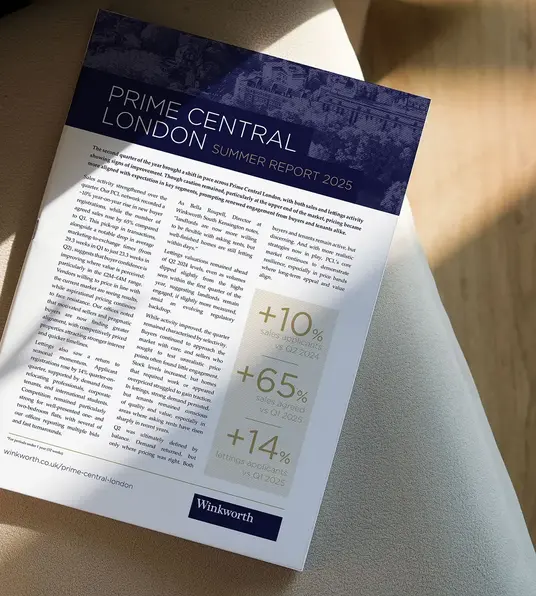
Over the summer months, rents across Prime Central London rose by just under 1%. Beneath that headline, however, some neighbourhoods saw noticeably stronger growth than others. Areas such as King's Cross, Belsize Park and Tower Bridge outperformed, while more established addresses moved at a steadier pace. At the same time, the sales market in some of the best-known districts, including Knightsbridge, Chelsea and Mayfair, recorded its first positive movement in several years.
Why neighbourhoods behave differently
Each part of central London attracts its own mix of tenants, and that mix shapes demand. Areas close to major employers, universities and transport hubs, such as King's Cross, tend to draw young professionals and students who want convenience above all else. Family neighbourhoods such as Kensington, Chelsea and St John's Wood appeal to tenants who prioritise space, schools and parks. Knightsbridge, Belgravia and Mayfair attract international tenants and executives seeking a prestigious address, security and access to the West End.
Supply varies too. Some neighbourhoods are dominated by period houses and mansion blocks, where rental stock is limited and changes slowly. Others have seen significant new development, adding modern apartments to the market and giving tenants more choice. Where supply is tight and demand is consistent, rents tend to hold up well. Where new stock arrives in large numbers, landlords may need to work harder to stand out.
Regeneration and new amenities can also make a significant difference. Areas that have benefited from investment in transport, shops, restaurants and public spaces often see rental demand grow as tenants discover their appeal. King's Cross is perhaps the clearest example in recent years, transformed into one of London's most sought-after places to live and work.
What this means for setting the rent
For landlords, the local nature of the market has an important practical consequence. A rent that is appropriate in one neighbourhood may be too high or too low in another, even for a similar property. Relying on broad averages or headlines about London as a whole can easily lead to a home being mispriced.
The most reliable approach is to base the rent on recent, genuinely comparable lettings in the immediate area, taking into account the specific features of the property. Floor level, natural light, outside space, the quality of the building, the presence of a porter or lift and the condition of the interior can all make a material difference to what a tenant is prepared to pay.
Timing matters as well. Demand in some neighbourhoods is closely linked to the academic year or to corporate relocation cycles, while family areas often see a spike in interest ahead of the new school year. Understanding these patterns can help landlords launch their property at the right moment.
What this means for investors
For those thinking of buying a rental property, neighbourhood-level performance is just as important. Some of the strongest rental growth is currently coming from areas with good transport links, modern housing stock and broad appeal to young professionals, while the most established prime addresses offer stability, long-term value and a deep pool of high-quality tenants.
The right choice depends on an investor's priorities, whether that is income, capital growth, the type of tenant they want to attract or the level of management they are prepared to take on. Taking local advice before buying can help match the property to the investment goal.
The value of local knowledge
Perhaps the clearest lesson from the latest figures is that the London lettings market rewards local expertise. Understanding who rents in a particular neighbourhood, what they expect and what they are prepared to pay is the foundation of a successful letting. Agents who work in a neighbourhood every day see the subtle shifts in demand long before they appear in any index.
With rents rising modestly across Prime Central London and some areas moving considerably faster, there are good opportunities for landlords. The key is to look beyond the headline figure and focus on what is happening on your own street.