
October 22, 2026
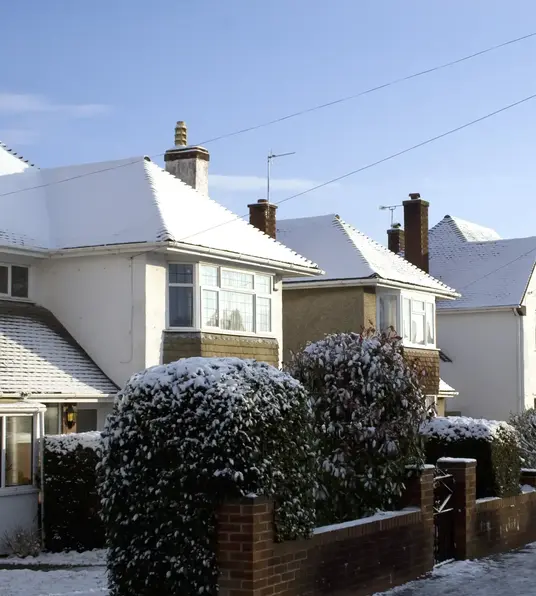
Preparing your rental property for winter
Spend time on a few key measures to weather-proof the building against heavy rain and freezing temperatures – and reduce the need for costly repairs later on.
- Landlords
- Renting
View Article

November 04, 2026
As of the 1st of May 2026, the Renters’ Rights Act has changed the rules around giving notice. The introduction of mandatory periodic tenancies means you must now give at least two months’ notice, although it’s possible you could agree a shorter period.
You must give your notice in writing (such as by email, letter or text message), even if you’ve already told your landlord in person. What’s more, your tenancy must end on a day when the rent is due or the day before the rent is due.
If your tenancy began before the 1st of May, your notice period might be one month, but check your formal agreement for the details.
Here’s more government information on assured periodic tenancies.
As you pull on your rubber gloves, here’s your aim: return the property to the condition you found it in while allowing for fair wear and tear such as worn carpets and scuffed walls. Alternatively, you can choose to pay for a professional to work their magic (landlords can’t legally require you to hire a cleaner). If so, hold onto the receipts in case you later need to prove you organised this work.
Either way, make sure you remove all personal belongings and rubbish from the property, including bin bags that don’t fit in the wheelie bins and excess garden waste.
Have your picture hooks left small holes? Are there any broken light bulbs? Set about making such fixes and returning the place to its original state – for example, if you painted the walls a different colour without the landlord’s permission, welcome back that magnolia.
If you can’t remember the exact condition of the property when you moved in, rustle up the original check-in inventory report. It might be that the kitchen table was already scratched, for instance.
Once the property is in good shape, take time-stamped photos of every room, item of furniture and appliance before you leave. Yes, this might seem a tiresome job, but should your landlord query something, you’ll have photographic evidence at hand.
If possible, try to attend the check-out inspection. By walking around the property with your landlord, you can get an understanding of what they might deduct from your deposit.
Here are some last-minute tasks to squeeze in:
You’ll feel more confident about getting back your deposit – and a glowing reference – if you nail the tasks above. If there’s anything you’re unsure about, look at your written agreement or ask your landlord for information on your obligations as a tenant.
Property Valuation
Book your free market appraisal today
Other news that might interest you
October 22, 2026
Spend time on a few key measures to weather-proof the building against heavy rain and freezing temperatures – and reduce the need for costly repairs later on.

October 22, 2026
Are you looking for a new home? Here are six of our most enticing rental properties across London, the country and the coast.

October 06, 2026
Private landlords can no longer ask tenants for, or accept, more than one month’s rent in advance, meaning there’s more pressure on guarantors.

August 11, 2026
Patches of damp and mould aren’t just a cosmetic issue. They can cause serious physical and mental health problems and, in severe cases, even death.

July 29, 2026
Private landlords need to know what they can legally deduct from a tenant’s deposit. Understanding fair wear and tear versus actual damage is key when deciding what deductions are justified.

July 15, 2026
The question of pets has been a big talking point of the Renters’ Rights Act (RRA), and it’s easy to see why.

March 31, 2026
While everyone loves a garden flourishing with blooms, we don’t all want to spend every weekend crouched in the soil. Here’s how to create an outdoor oasis that needs minimal work.

March 11, 2026
At Winkworth, we continue to see strong activity at the very top end of London’s lettings market.

February 12, 2026
At Winkworth, our lettings teams across Prime Central London are seeing a rental market that is notably calmer than the post-pandemic peak, but far from weak.