

October 28, 2026
Why Prime Central London Looks Like Better Value to Global Buyers
Every year, UBS assesses the world's major housing markets to judge which are most at risk of a property bubble.
- Prime Central London
- Buying
View Article
October 28, 2026
For months, speculation suggested that the government might align capital gains tax with income tax rates, a change that could have almost doubled the tax payable on some property sales. This month, that threat appears to have receded.
According to reports in the Financial Times, the Chancellor has ruled out equalising capital gains tax with income tax ahead of the Autumn Budget on 28 October. Smaller adjustments have not been entirely excluded, and nothing is certain until the Budget is delivered. In another encouraging sign, the Chancellor is also reported to have turned down suggestions that the £2 million threshold for the new council tax surcharge on expensive homes should be cut to £1.5 million. But for many owners of second homes, investment properties and inherited homes in Prime Central London, the news removes one of the biggest sources of uncertainty hanging over the market.
For most people, capital gains tax does not apply to the sale of their main home, thanks to private residence relief. It does, however, apply to the gain made on other residential property. In Prime Central London, that covers a significant number of owners: those with a pied-à-terre used during the working week, landlords with one or more rental properties, families who have inherited a home, and international owners whose London property is not their main residence.
At present, gains on residential property are taxed at 18% for basic-rate taxpayers and 24% for higher and additional-rate taxpayers. Had those rates been aligned with income tax, the 24% higher rate could have risen to 45%, close to double today's figure. On a property bought many years ago in Chelsea, Kensington or Mayfair, where the gain may be substantial, the difference would have been considerable.
The mere possibility of a large increase has had a noticeable effect on behaviour. Some owners rushed to sell before any change could take effect, while others decided to hold on and wait for clarity. Both responses distort a market. A rush of sales can put pressure on prices, while owners sitting tight reduce the supply of good homes available to buyers.
There is good reason to think that a large increase would have been counterproductive in any case. HMRC's own estimates suggest that raising the higher rate by ten percentage points, with no other changes, would actually reduce tax receipts by around £3.6 billion in 2028/29, as owners delayed sales or changed their plans.
Uncertainty also makes planning difficult. Families considering whether to sell an inherited property, landlords weighing up whether to exit the rental market and investors reviewing their portfolios have all faced the same problem: it is hard to make a sensible decision without knowing how the eventual sale will be taxed.
If the reports prove accurate, the most immediate benefit is greater confidence. Owners who have been putting off a decision can now plan with more certainty, and that is likely to bring some well-located, long-held homes back to the market. For buyers, that should mean better choice, particularly among the kind of period houses and lateral apartments that rarely come up for sale.
It also sends a broader signal. Prime Central London has absorbed a long series of tax changes over the past decade, from stamp duty surcharges to the end of the non-domiciled regime. A decision not to add a further significant increase will be welcomed by domestic and international owners alike, and may help to restore some of the confidence that has been missing in recent years.
For owners considering a sale, the key point is that the Budget has not yet been delivered. It remains sensible to take professional tax advice before making any decisions, particularly where a gain is large or the ownership structure is complex. Gains on UK residential property must generally be reported and any tax paid within 60 days of completion, so planning ahead is important in any case.
It is also worth thinking about the timing of a sale in practical terms. The autumn and early spring are traditionally among the busiest periods in the Prime Central London market. Owners who prepare their property now, understand its current value and are ready to launch when the time is right will be well placed to benefit from any return of confidence after the Budget.
For owners who have no plans to sell, the reprieve still matters. It provides reassurance that the value built up in a property over many years is less likely to be eroded by a sudden change in tax, which supports the long-term case for owning in London's most established neighbourhoods.
Capital gains tax is only one part of the picture, and the Budget may still bring changes that affect property owners. But the decision to step back from a major increase is a welcome one. For Prime Central London, a market that responds strongly to confidence and clarity, a little more certainty could go a long way.
This article provides general information and is not tax advice. Owners should take advice from a qualified tax adviser on their own circumstances.
Property Valuation
Book your free market appraisal today
Other news that might interest you
October 28, 2026
Every year, UBS assesses the world's major housing markets to judge which are most at risk of a property bubble.

October 28, 2026
For much of the past year, the story of London's sales market has been one of patience.

October 13, 2026
For many landlords, the annual tax return has long been a once-a-year exercise: gather the statements, pass them to an accountant and think no more about it until the following January.
October 13, 2026
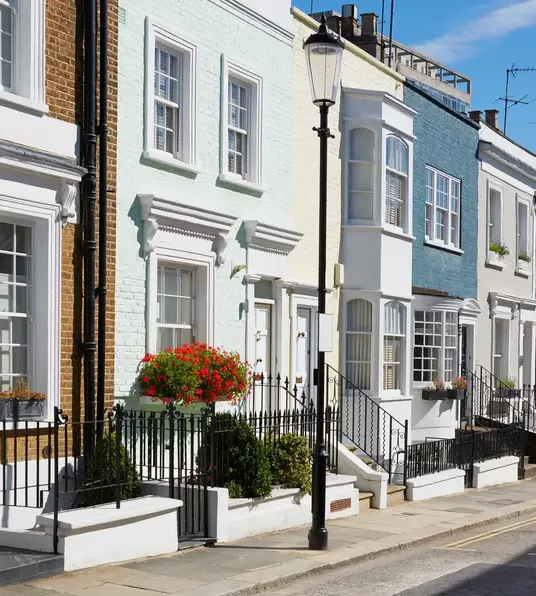
For much of the past decade, one of the most common conversations among landlords has not been about rents or tenants, but about structure.

October 13, 2026
Prime London's lettings market has taken on a slightly unusual shape this autumn.

October 13, 2026
Every private landlord in England will soon need to be on an official register.

September 29, 2026
If your child is starting primary school next September and you want to move home before then, you’ll need to plan carefully. Here’s what to consider.

September 29, 2026
From original fireplaces and period details to an electric car charging spot, here’s what homebuyers are seeking out.

September 15, 2026
As the days cool, many people are eager to settle into a new home before Christmas.

October 15, 2026
From the mansion tax line to a market renting for now, our latest Prime Central London report draws on internal data and expert insight to unpack the market in Q3.

July 29, 2026
From the cost of waiting to a breakdown of who's buying, our latest Prime Central London report draws on internal data and expert local insight to unpack the market in Q2.

April 23, 2026
From brutal pricing to resilient tenant demand, our latest Prime Central London report draws on internal data and expert insight to unpack the market in Q1.

January 30, 2026
From pricing realism to policy clarity, our Full Year 2025 Review draws on internal data and expert insight to unpack a year of recalibration across Prime Central London.
November 05, 2025
From realistic pricing to resilient rental demand, our latest Prime Central London report draws on internal data and expert insight to unpack the market in Q3.
June 30, 2025
From sales momentum to shifting rental trends, our latest Prime Central London report combines internal data with expert insight from across our office network to explore the market in Q2.
April 14, 2025
From marketwide trends to postcode-level insights, we bring together data and ground level commentary from experts within our PCL office network to look at the market in Q1 2025.