While the policy is still under consultation, the direction of travel is becoming increasingly clear. Residential properties in England valued at £2 million and above are expected to fall within the scope of the new charge, with Prime Central London likely to be one of the areas most heavily affected.
For many property owners, the announcement raises important questions around future ownership costs, valuation methods and the longer-term attractiveness of holding high-value residential assets in the UK.
A Major Shift in Property Taxation
The proposed surcharge forms part of the Government’s wider effort to modernise the council tax system, which has remained largely unchanged since the early 1990s despite substantial shifts in property values over the past three decades.
Under the new proposals, qualifying homes would be placed into new surcharge bands based on property value, with revaluations expected every five years. Current plans suggest the first formal revaluation process would begin in 2033.
Unlike traditional council tax arrangements, liability for the surcharge would generally sit with the property owner rather than the occupier. This distinction is particularly important for investment properties, second homes and internationally owned assets.
The Government is also consulting on how appeals, billing arrangements and enforcement mechanisms would work in practice, alongside proposals allowing some homeowners to defer payment in specific circumstances.
Overseas Owners Could Face Additional Charges
One of the most closely watched aspects of the consultation is the suggestion that overseas owners could face an additional premium on top of the standard surcharge.
While no final decision has been made, the proposal is likely to generate significant debate, particularly across Prime Central London where international ownership forms a substantial part of the market.
The Government argues the changes are intended to create a fairer taxation structure, particularly in cases where extremely valuable homes currently attract relatively modest council tax bills compared with lower-value properties elsewhere in the country.
However, critics are likely to question whether additional taxation risks discouraging overseas investment at a time when London continues to compete globally for international wealth.
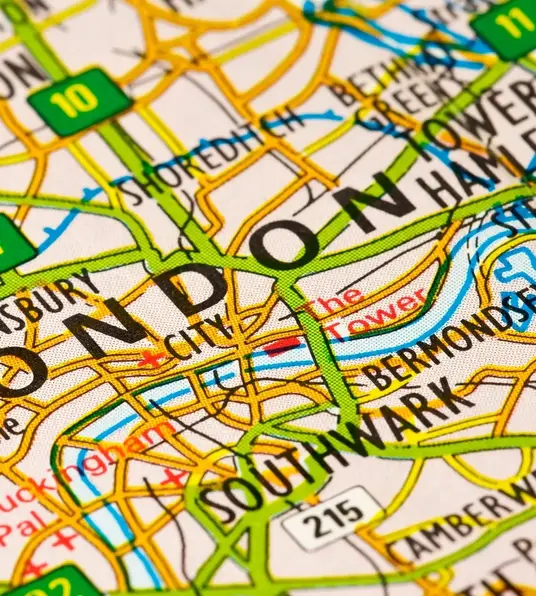
Prime Central London Likely to Feel the Greatest Impact
Although ministers state that fewer than 1 per cent of homes nationally would be affected, Prime Central London sits directly within the policy’s focus.
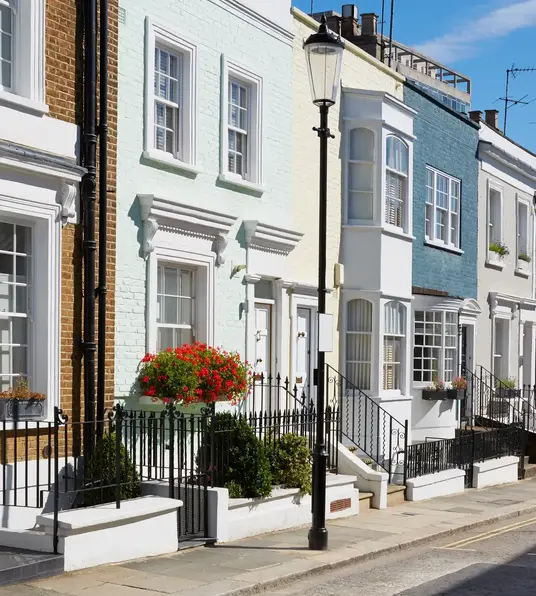
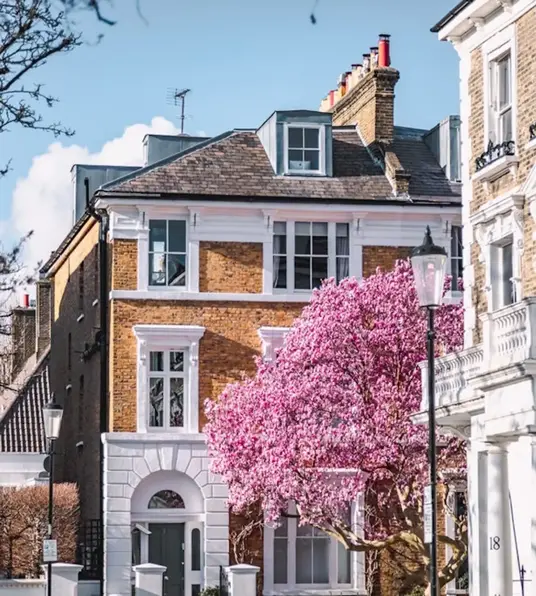
Large parts of Mayfair, Belgravia, Kensington, Chelsea, Knightsbridge and Hampstead contain substantial concentrations of homes already valued above the proposed £2 million threshold.
For owners in these areas, the changes may influence future buying decisions, ownership structures and long-term investment planning, particularly if additional costs continue to rise alongside wider tax and regulatory reforms already introduced in recent years.
That said, the impact may vary significantly depending on the final structure of the levy and how overseas ownership is ultimately treated.
Revaluations Could Introduce Ongoing Uncertainty
Another notable aspect of the proposals is the move toward regular five-year revaluations.
Historically, council tax valuations have remained largely static for decades. Under the new system, however, property owners would face periodic reassessments tied to market value movements.
For Prime London homeowners, this introduces a greater degree of long-term uncertainty around future liabilities, particularly in areas where values can fluctuate significantly depending on wider economic and international market conditions.
It also raises practical questions around how unique or ultra-prime homes will be valued consistently within a formal taxation framework.
A Difficult Balancing Act for the Government
From the Government’s perspective, the proposals are being positioned as an attempt to rebalance a system many consider outdated and uneven.
Supporters argue that owners of very high-value homes should contribute more toward local services, particularly where council tax structures no longer reflect modern property values.
However, the political and economic balancing act is far from simple.
Prime London remains one of the UK’s most internationally recognised property markets and continues to attract overseas investment, lifestyle buyers and globally mobile wealth. Additional taxation aimed at higher-value homes inevitably raises questions around competitiveness, investment confidence and long-term market sentiment.
For some buyers, the proposed levy may ultimately become another factor within an already increasingly expensive ownership landscape that includes higher stamp duty costs, regulatory changes and ongoing economic uncertainty.
What This Could Mean for the Prime London Market
At this stage, the surcharge remains under consultation and significant details could still change before any final implementation.
Nevertheless, the proposals offer a clear indication of how the Government views the future taxation of high-value residential property.
For existing owners, particularly across Prime Central London, the consultation period will be closely watched as the potential long-term cost implications become clearer. For buyers, especially international purchasers, the proposals may increasingly form part of wider decision-making around where and how capital is deployed.
Despite this, the underlying appeal of Prime London property remains strong. Demand for globally recognised locations, long-term wealth preservation and lifestyle-driven ownership continues to support the market, even during periods of political and economic change.