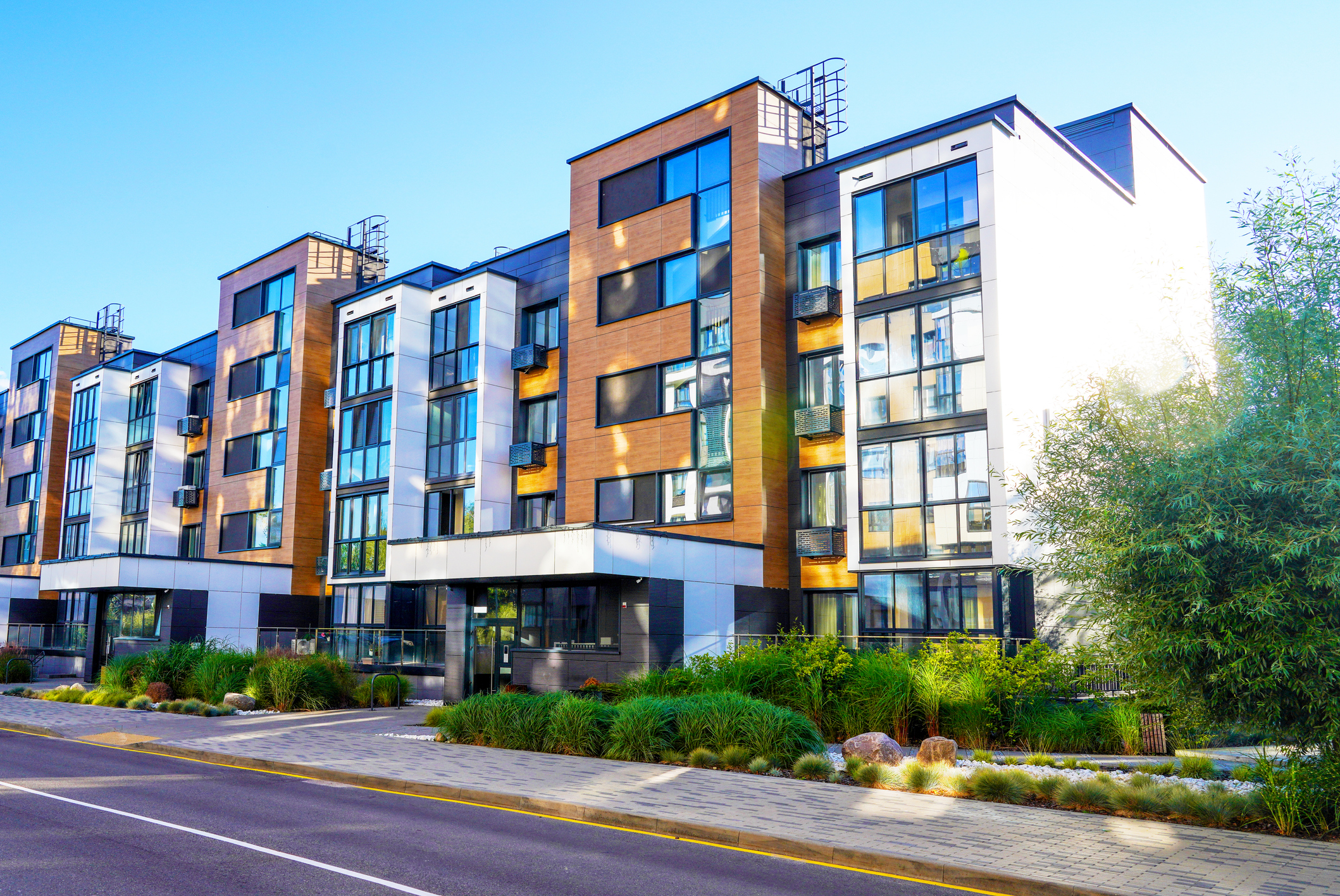
A significant shake-up of the leasehold system aims to protect millions of flat-owners from excessive charges and unfair treatment by managing agents.
Key changes include banning new leasehold flats to make commonhold the default approach, capping existing ground rents, and removing the two-year residency rule for lease extensions.
Are you wanting to buy a flat over the next few years? Let’s look at what to expect in England and Wales.
The background
Too often, leaseholders face escalating costs and difficulty in selling their homes. While there’s been cross-party support for reforming the leasehold system, change has been slow.
Rishi Sunak’s Conservative government introduced the Leasehold and Freehold Reform Act 2024 to make it cheaper and easier to buy freeholds or extend leases. While this Act gained Royal Assent, many of its provisions haven’t yet come into force.
More recently, Labour has built on this Act, fixing some areas and ushering in a more fundamental shift to commonhold as the default system for flat ownership. In April this year, Housing Minister Matthew Pennycook set out the government’s reform plans, calling the leasehold system feudalistic and arguing that buildings shouldn’t be controlled by third parties but by the homeowners themselves.
The main changes
Some parts of the Leasehold and Freehold Reform Act are already active – for example, people no longer have to own their home for two years before extending the lease or buying the freehold.
Meanwhile, the Commonhold and Leasehold Reform Bill is taking shape as part of the 2026-27 parliamentary session. Its key changes include:
Maximum ground rents
Ground rent is what you pay to the owner of the land your property sits on. Under the current system, increases in this amount can be excessive and difficult to challenge. The government is capping ground rent at £250 per year, and after 40 years it will be cut to a peppercorn, so nothing is paid. This will apply to most residential leasehold contracts that were entered into before July 2023.
A ban on new leasehold flats
In the future, developers won’t be able to sell new flats as leaseholds (with a few exceptions). Instead, new homes will be built as commonhold, meaning that when you buy a flat you also buy the ground the flat is built on and jointly own the building with your neighbours. While you’ll probably still hire a managing agent to look after the building, it’s you and the other residents who will make the decisions over spending, repairs and local rules.
This approach has long been used in other European countries. In England and Wales, however, it’s a major change in how property ownership works.
The right for existing leaseholders to switch
Do you already own a leasehold flat? The government will make it simpler to convert to commonhold if you choose to.
Abolishing the threat of forfeiture
Currently, it’s possible to lose your home for owing as little as £350 in fees. This practice will be replaced with a court-led approach with strict safeguards.
More transparent service charges and building costs
If all goes to plan, mystery fees and unexplained price hikes should become a thing of the past. The latest leasehold reforms build on what’s already in the pipeline in making landlords and managing agents more accountable for costs and helping empower residents to challenge bills they think are unreasonable.
The timeline for the reforms
The government plans to introduce the final Commonhold and Leasehold Reform Bill to parliament in autumn 2026. We should then see a phased rollout of the changes. For example, the £250 ground rent cap is expected to take effect in late 2027 or 2028.
Final thoughts
If you’re thinking of buying or selling a flat and would like some professional guidance, get in touch with your local Winkworth office and chat with an experienced member of our team.