
From original fireplaces and period details to an electric car charging spot, here’s what homebuyers are seeking out.
Flexible living spaces
These days, we want our homes to do more. We want a garden office to convert into a spare room at Christmas. Or a sliding door that turns part of the living room into a cosy snug. As many families stay in one place for longer – Zoopla reports homeowners live in a property for an average of nine years – we need spaces that evolve.
If you’re thinking of buying a new place, consider how well the property will function for you both now and in the future. Often, modern open-plan homes lend themselves to adaptation, but period ones can change too – for instance, a dark nook can shapeshift into a place for a private desk.
Period features and historic personality
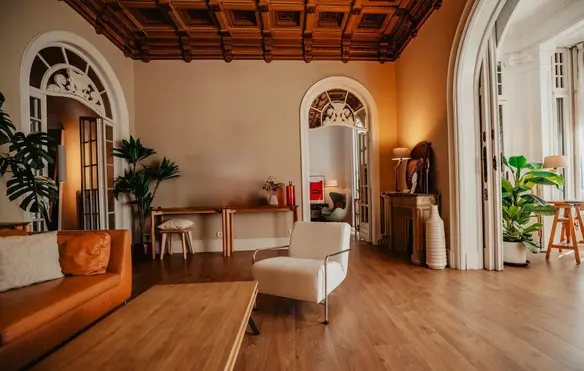
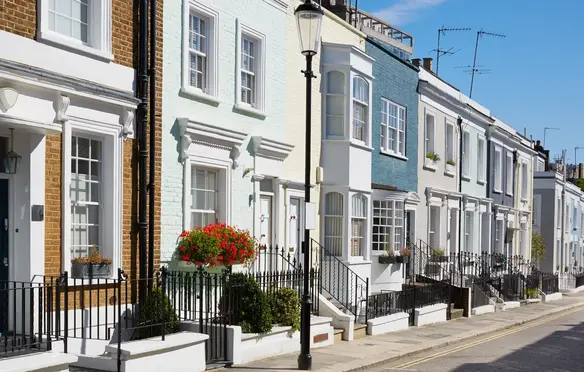
Did somebody say ‘nook’? How about wood panelling for walls or an original tiled fireplace? In 2026, many of us are won over by period features, especially from Victorian times when grand proportions and bay windows were combined with solid brick construction.
While it’s easy to fall for homes with historic character, remember that your maintenance costs might be higher than those for a new build. For example, traditional timber sash windows can be expensive to repair, as can clay tile roofs or brick chimneys that call for high-access scaffolding and specialist heritage contractors.
You may also need to get permission to make changes to your new home if it’s a Listed property or in a conservation area.
Smarter living
Hello convenience! Integrated smart devices can make our daily lives easier, more secure and more energy efficient. These can include:
- Security cameras and alarms
- Smart lighting systems
- Smart heating controls
- Video doorbells
For example, you can use your phone to see who just knocked at the door; turn on the lighting using your voice; and set up automated schedules for the heating.
Since these devices rely on an internet connection for their full functionality, check if an area has decent coverage.
Going green
We already had growing awareness of environmental issues coupled with the rising costs of fuel. Then the long dry summer hit and, as our fans and air-conditioning whirred, many of us took an even closer look at our energy consumption.
Thus, homebuyers are drawn to features that increase their energy efficiency, reduce their monthly bills and help lower the household’s carbon emissions. These include:
- Solar panels: generate your own electricity and reduce your reliance on the grid
- Heat pumps: after stumping up for the high installation cost, enjoy a more energy-efficient way to heat your home during the winter
- Insulation: keep in the warm air during winter (and keep out the heat during summer) with wall, loft and floor insulation
- Modern double or triple glazing for windows: again, control the flow of warm air throughout the year
- Energy-efficient appliances and lighting: LED bulbs dramatically cut down on your electricity consumption
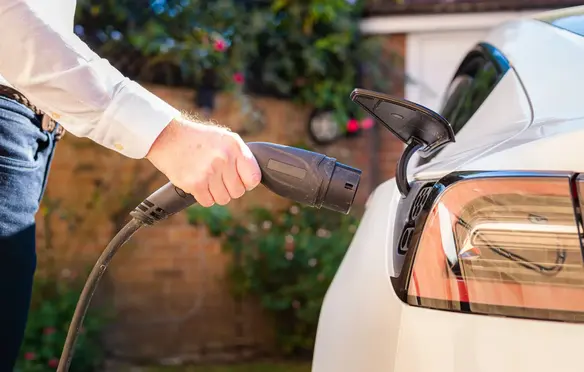
And don’t overlook electric vehicle charging. When a Motors and Cazoo study found 25% of people expect their next car to be electric, an EV charger and parking space can be a real boon.
Gorgeous gardens and balconies
Whether it’s throwing an al fresco dinner party or simply cooling off in a shady patch, a garden is becoming a must-have feature. Indeed, a recent survey found that 80% of people say that having a garden is ‘extremely important’ when choosing a new home. This doesn’t necessarily mean rolling acres of greenery – a balcony or modest-sized garden can be a beautiful thing.