

October 22, 2026
On the market: Six gorgeous rental properties
Are you looking for a new home? Here are six of our most enticing rental properties across London, the country and the coast.
- Landlords
- Renting
View Article
October 22, 2026
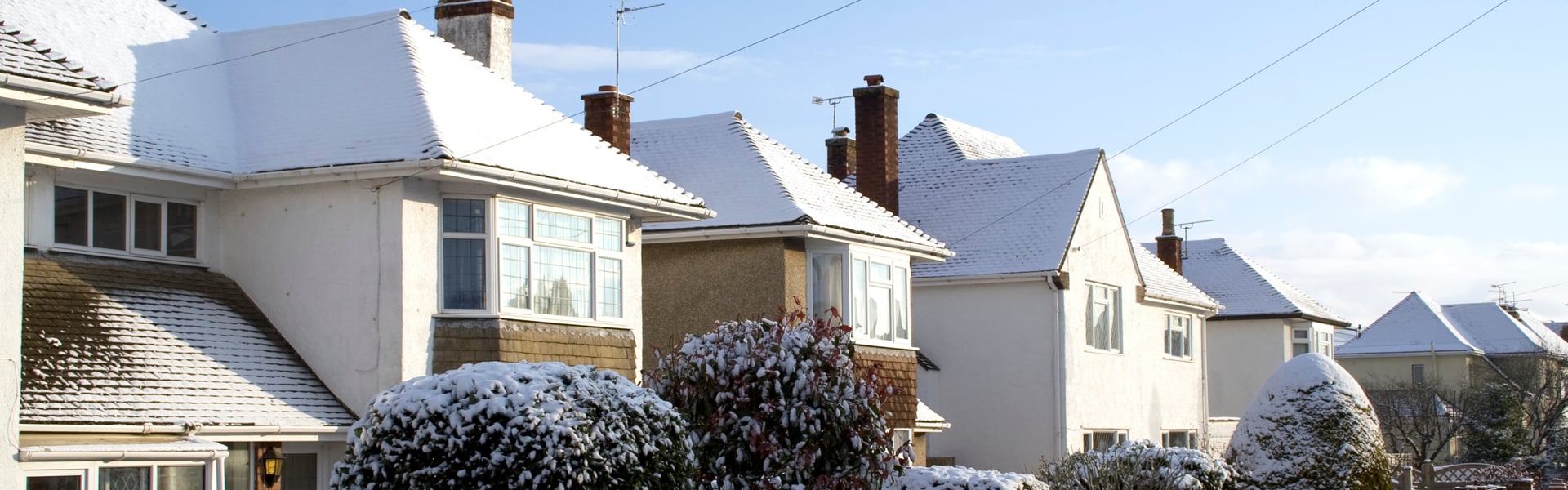
Diligence is particularly important this year as government scientists say there’s an increased chance of stormy weather and flooding in the UK. Whether you’re doing the work yourself or hiring professionals, here’s what we suggest as a starting point.
Whatever the season, regular visits to your rental property form an important part of looking after the building and your tenants. We recommend booking in an inspection for October or early November (remember, you need to give tenants at least 24 hours’ notice). This way, you can spot issues and get them fixed while the days are relatively light and mild.
When inspecting the interior, you can also double-check that your tenants know how to operate the heating and where the stopcock is in case of a burst pipe.
If your tenants are going to leave the property empty over Christmas – or your property is currently void – you might take action to prevent damage. For instance, set your thermostat to a constant level to protect against frost and drain the water system.
Inspect the outside of the property and pay attention to the following:
It’s worth investing in your property’s energy efficiency, both for the immediate benefits and for meeting upcoming government requirements. (Private rental properties must reach at least the equivalent of EPC C by October 2030, unless they have an exemption. This blog post shares more details.)
Here are some ideas:
If you’d like help managing your rental properties through the winter and beyond, find your local Winkworth office and talk to a member of our team.
Property Valuation
Book your free market appraisal today
Other news that might interest you
October 22, 2026
Are you looking for a new home? Here are six of our most enticing rental properties across London, the country and the coast.

October 13, 2026
For many landlords, the annual tax return has long been a once-a-year exercise: gather the statements, pass them to an accountant and think no more about it until the following January.

October 13, 2026
For much of the past decade, one of the most common conversations among landlords has not been about rents or tenants, but about structure.

October 13, 2026
Prime London's lettings market has taken on a slightly unusual shape this autumn.

October 13, 2026
Every private landlord in England will soon need to be on an official register.

October 06, 2026
Private landlords can no longer ask tenants for, or accept, more than one month’s rent in advance, meaning there’s more pressure on guarantors.
September 23, 2026
Do your tenants ever complain of mould and damp? If so, how long does it take you to tackle the problem?

September 23, 2026
As part of its mission to improve all homes, the government plans to introduce a Decent Homes Standard (DHS) to the private rented sector in 2035.

September 15, 2026
It can be tempting to snap your own photos when putting your home on the market.