
October 22, 2026
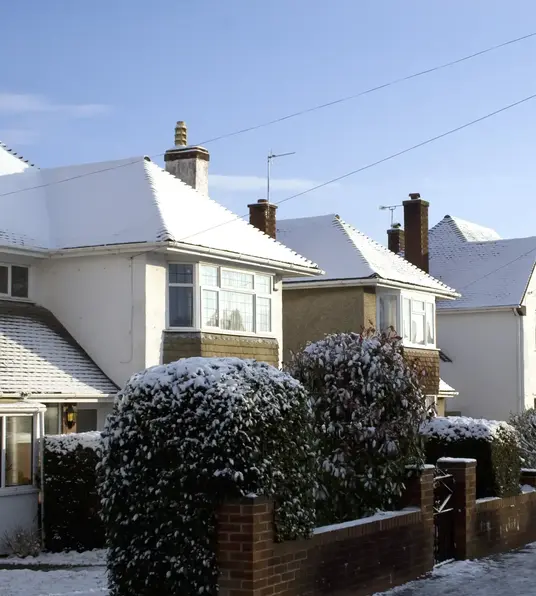
Preparing your rental property for winter
Spend time on a few key measures to weather-proof the building against heavy rain and freezing temperatures – and reduce the need for costly repairs later on.
- Landlords
- Renting
View Article

August 11, 2026
That’s why the Renters’ Rights Act 2025 will extend Awaab’s Law to the private rented sector, requiring landlords to fix such health hazards within strict timeframes.
While this legal change isn’t expected until 2027 or later, it’s a good idea for everybody – both landlords and tenants – to know the best ways to spot the early signs of mould and damp, and deal with them before they cause problems. Here, we share practical information.
Common causes include condensation, leaks and ventilation problems. Ask yourself the following:
If you’re worried about mould or damp, report the issue to your landlord straightaway. Take photos of the specific areas of mould or the cause, such as a broken pipe; write down the date and any other key details; and tell your landlord if anyone in the property is experiencing health difficulties as a result. This will help your landlord understand the nature and severity of the problem, plus create clear documentation.
By reacting promptly, you can stop the issue getting worse and causing further damage.
Landlords are legally responsible for addressing damp and mould in a property (various regulations include the Housing Act 2004). They shouldn’t dismiss a problem as caused by a tenant’s lifestyle or wait for medical proof. Instead, they must act quickly to:
Although there’s currently no set timeframe for fixing damp and mould, you should take prompt action, especially if a tenant has health concerns.
Good communication and record-keeping will help to avoid disputes. Share details with your tenants about your plans and listen to any worries they have. This will foster better relationships and reduce the likelihood of your tenants escalating issues with the council – and the risk of financial penalties and legal action.
Here’s more government info about mould and damp in homes.
While regulations are already in place, the government is bringing in stricter rules for maintaining property conditions, and landlords must stay up to date with evolving requirements. If you’ve got any questions, speak to your local Winkworth lettings team for advice on maintaining a safe, compliant and well-managed rental property.
Property Valuation
Book your free market appraisal today
Other news that might interest you
October 22, 2026
Spend time on a few key measures to weather-proof the building against heavy rain and freezing temperatures – and reduce the need for costly repairs later on.

October 22, 2026
Are you looking for a new home? Here are six of our most enticing rental properties across London, the country and the coast.

October 13, 2026
For many landlords, the annual tax return has long been a once-a-year exercise: gather the statements, pass them to an accountant and think no more about it until the following January.

October 13, 2026
For much of the past decade, one of the most common conversations among landlords has not been about rents or tenants, but about structure.

October 13, 2026
Prime London's lettings market has taken on a slightly unusual shape this autumn.

October 13, 2026
Every private landlord in England will soon need to be on an official register.

October 06, 2026
Private landlords can no longer ask tenants for, or accept, more than one month’s rent in advance, meaning there’s more pressure on guarantors.
September 23, 2026
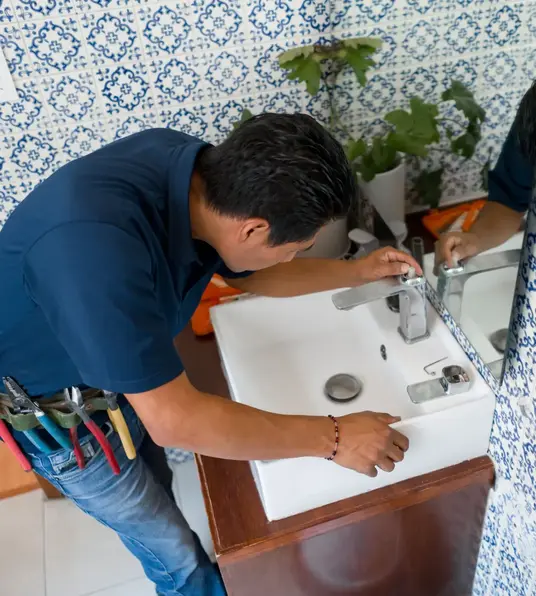
Do your tenants ever complain of mould and damp? If so, how long does it take you to tackle the problem?

September 23, 2026
As part of its mission to improve all homes, the government plans to introduce a Decent Homes Standard (DHS) to the private rented sector in 2035.