Buying in Prime Central London has always involved a particular level of scrutiny. Buyers may consider everything from tenure and service charges to planning history, building condition and the quality of previous refurbishment work before committing to a property.
Increasingly, environmental and climate-related factors are joining that list.
Recent industry research found that 81% of property professionals believe climate risk information is becoming as important as more established due diligence checks. More tellingly, 68% said their clients had become more concerned about the issue during the previous 12 months.
For Prime Central London buyers, this does not mean environmental risk is suddenly replacing location, architecture or lifestyle as the deciding factor. It does suggest, however, that buyers are asking more detailed questions about the long-term resilience and running of a property before they exchange contracts.
Due diligence is becoming broader
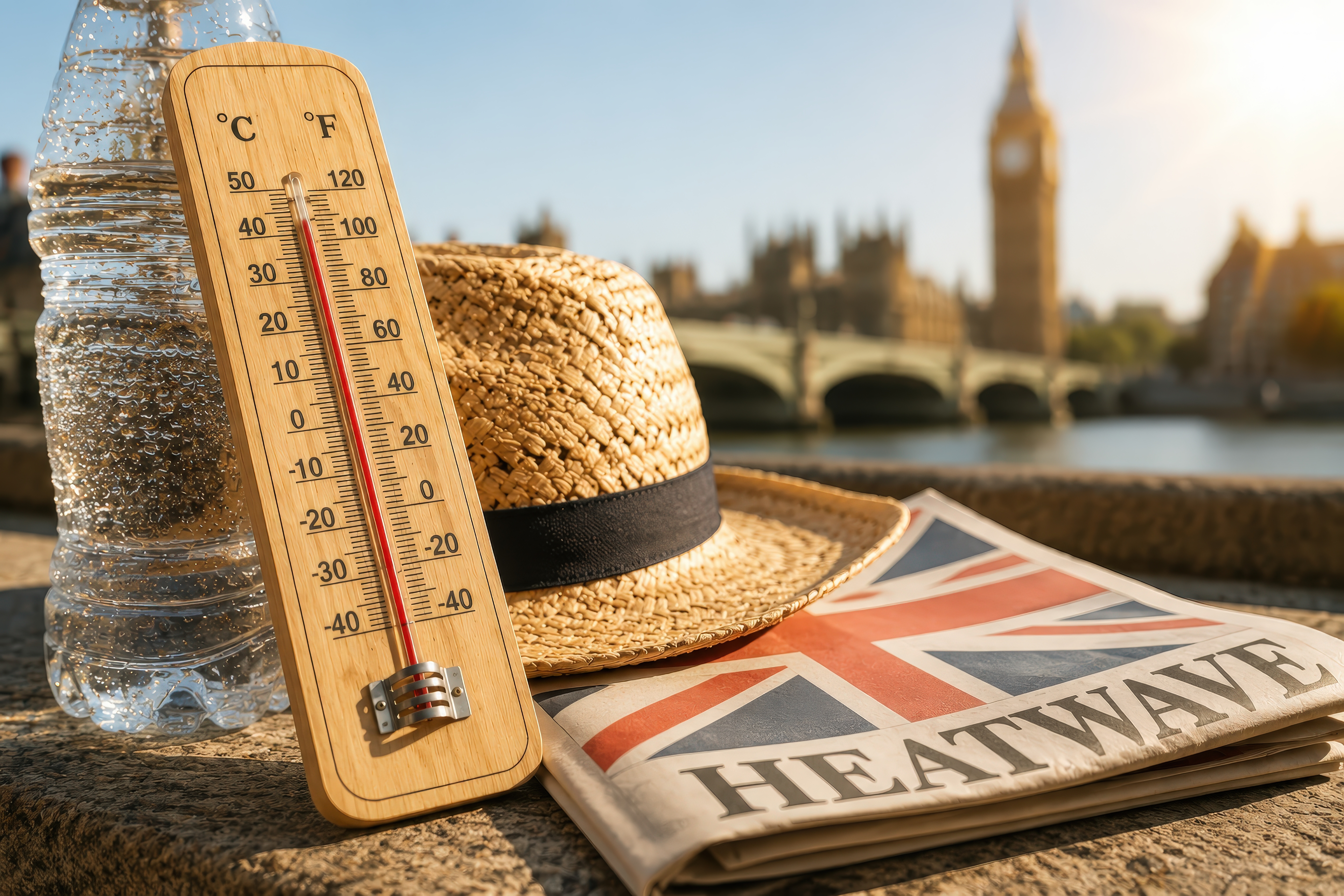
The environmental considerations surrounding a London property can be surprisingly varied. Flooding is perhaps the most obvious example, particularly for homes close to the Thames, but buyers may also consider overheating, energy efficiency, drainage, subsidence and the insurability of a property.
The research suggests energy performance has become particularly prominent, cited as a concern by 72% of respondents, ahead of flooding at 61%. This is an interesting change because it brings environmental considerations much closer to the everyday experience of owning a home.
For a buyer looking at an older townhouse or period apartment, for example, questions around heating, insulation and cooling can have practical implications. Prime Central London contains some of the country's finest period housing, but historic character and modern efficiency do not automatically go hand in hand. Understanding what has already been upgraded, and what might realistically be improved in future, is therefore becoming part of a more rounded assessment of a property.
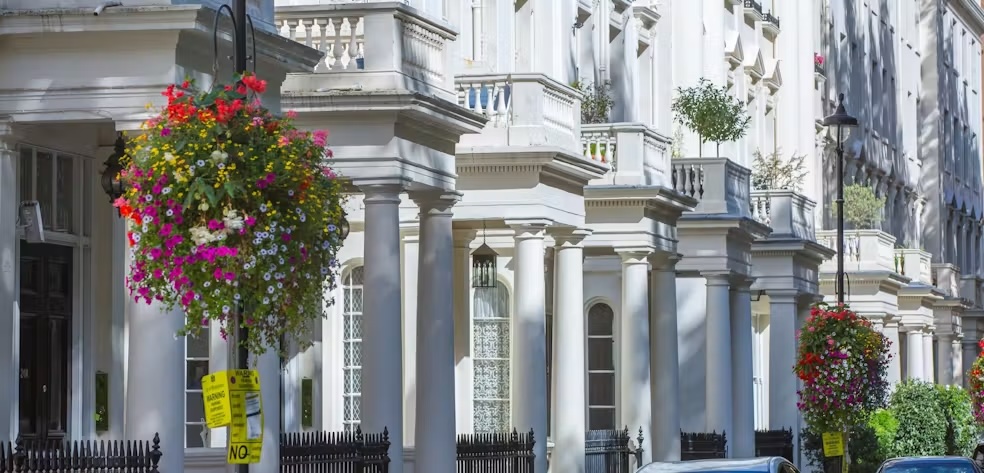
This does not necessarily make older homes less attractive. Far from it. The architecture and character found across areas such as Chelsea, Kensington, Belgravia, Notting Hill and Marylebone remain a fundamental part of their appeal. It simply means buyers may want a clearer picture of what ownership will involve.
Finding an issue early can make a considerable difference
For a London transaction, the timing of that information can be every bit as important as the risk itself. A concern identified before marketing is one thing; the same issue appearing shortly before exchange can be quite another.
Three-quarters of the property professionals surveyed believed climate risks were still being identified at a stage where they could disrupt a transaction. When this happened, the consequences included additional investigations, difficulties with insurance, renegotiation and, in some cases, a buyer or seller withdrawing.
That has obvious relevance at the upper end of the London market. Prime transactions can already involve several layers of due diligence, particularly where there are complex leases, listed buildings, substantial service charges or extensive alterations to investigate. Discovering another significant issue late in proceedings can introduce uncertainty at precisely the point when both sides are expecting the transaction to progress.
Earlier information can therefore be useful to sellers as well as buyers. If a potential concern is known before a property comes to market, there is more opportunity to establish the facts, gather the relevant documentation and answer questions clearly rather than reacting to them halfway through a sale.
The lender and insurer may be looking at the property differently too
Climate-related considerations are not confined to the buyer's own research. The survey found that 82% of lenders said physical climate risk had influenced lending decisions or policy to some degree during the previous year.
For cash buyers, mortgage availability may not be personally relevant, but the wider implications still matter. A property's future mortgageability can affect its eventual resale market, while insurance availability and cost are relevant regardless of how the purchase is financed.
This is where the conversation becomes less about abstract predictions of what London's climate might look like decades from now and more about the practicalities of owning a particular home today.
A buyer considering two otherwise comparable properties may reasonably want to understand whether one carries greater insurance complexity, requires substantial energy improvements or presents an issue that could make a future sale more difficult. These are questions about the quality and resilience of the asset as much as they are about sustainability.
Prime buyers are increasingly interested in the detail
This development also fits with a broader change in the Prime Central London sales market.
Buyers remain willing to pay for exceptional properties, but they are often highly selective about where that premium is justified. The condition of a building, quality of refurbishment, ongoing running costs and likely future expenditure can all influence the decision alongside the address itself.
Environmental information adds another layer to that assessment.
A well-maintained period house with sensible improvements, good documentation and carefully considered modern systems may therefore have an advantage over a superficially similar property where these questions have not been addressed. Equally, buyers looking at contemporary developments may pay close attention to energy performance, cooling systems and the efficiency of the wider building.
None of these considerations exists in isolation. They form part of the overall picture buyers build before deciding whether a property represents the right home and the right purchase.
What does this mean for sellers?
For sellers, the lesson is not to turn every property listing into an environmental report. It is to recognise that buyers may arrive with a wider range of questions than they did a few years ago.
Being prepared can help.
That might mean having relevant energy information readily available, understanding previous improvement works or being able to provide documentation relating to drainage, building systems and insurance where appropriate. If a known environmental issue exists, establishing its actual significance before marketing can be preferable to allowing uncertainty to develop later.
There is strong support within the industry for bringing this information forward, with 85% of those surveyed believing earlier visibility could make transactions more certain. More information need not deter a purchaser. In many cases, understanding an issue properly can be far more reassuring than discovering it unexpectedly later in the transaction.
A changing definition of a sound property purchase
Prime Central London's enduring attractions have not changed. Buyers continue to be drawn by its architecture, established neighbourhoods, schools, cultural life, international connections and the scarcity of genuinely exceptional homes.
What is changing is the depth of information some buyers expect before making a decision.
Environmental performance and climate exposure are becoming part of that conversation, alongside the more familiar questions surrounding condition, tenure, location and value. As better data becomes available, it is reasonable to expect buyers, lenders and insurers to pay closer attention to it.
For the Prime Central London market, this need not be viewed negatively. Greater transparency can give good properties another opportunity to demonstrate their quality and help buyers make decisions with greater confidence.
In a market where purchasers are already highly discerning, knowing more about a property before committing to it is simply becoming part of what careful buying looks like.