There are few better reminders of Prime Central London’s enduring appeal than the homes that change hands at its very highest price points. Recent Land Registry records show another series of substantial transactions across Chelsea, Kensington and Mayfair, with one Chelsea residence selling for £23 million.
Individual trophy sales should never be mistaken for a measure of the whole market. They are relatively rare, highly property-specific and can take some time to appear in the official figures. Even so, they offer an interesting glimpse into where buyers are prepared to commit significant capital and, perhaps more importantly, the qualities that continue to command a premium.
The latest transactions suggest that established addresses, architectural character, exceptional condition and genuine scarcity remain powerful influences in Prime Central London.
Chelsea leads the latest high-value sales
The largest recently registered transaction was on Old Church Street in Chelsea, where a freehold period residence sold for £23 million.
The property extends to more than 6,500 sq ft and has six bedrooms, with a comprehensive refurbishment introducing high-quality contemporary finishes and extensive leisure facilities. Yet its appeal is about considerably more than specification.
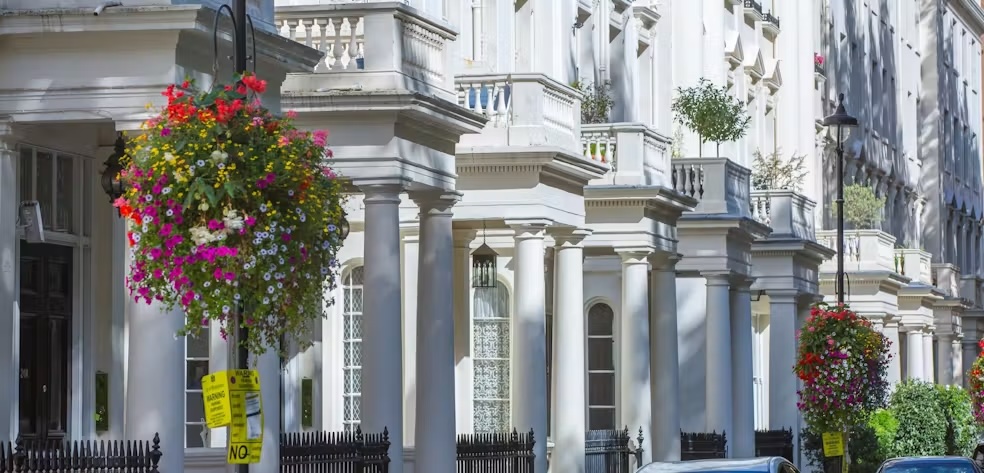
Old Church Street is one of Chelsea’s most historic addresses. Dating back centuries, it has an unusual architectural character, with Georgian, Victorian and more contemporary homes sitting along the same street. Its history and position within one of London’s best-known residential neighbourhoods give it the kind of individuality that is increasingly difficult to replicate.
That combination of heritage and modern living is particularly relevant at the top of the market. Buyers may want the comfort and convenience associated with a newly finished home, but many still place considerable value on character, provenance and a strong sense of place.
A property that manages to offer both can occupy a very different position from a home relying on specification alone.
Kensington continues to attract significant investment
The latest records also included two substantial Kensington transactions.
A terraced townhouse on Campden Hill Road changed hands for £17.02 million, while another property on Campden Hill Square sold for £11 million.
These sales underline the continuing appeal of Kensington’s established residential streets. For buyers searching for a long-term London home, the area's attraction comes from a combination of architecture, green space, schools, cultural institutions and access to the wider capital.
The presence of two eight-figure transactions in the latest figures is notable because it shows buyers are still prepared to commit substantial sums when the right property becomes available.
It also highlights an important feature of the Prime Central London market. Demand at this level can be highly selective. A buyer may reject several properties before pursuing one enthusiastically because the exact street, proportions or character are difficult to reproduce elsewhere.
For sellers, that means understanding what makes a property genuinely distinctive can be every bit as important as considering its size or price per square foot.
Mayfair remains firmly on the international buyer map
Mayfair also featured prominently among the recently registered transactions, with a property on Albemarle Street selling for just over £14 million and another on South Street recording a £12 million sale.
Mayfair's market has its own identity. Its appeal combines an internationally recognised address with immediate access to some of London's best restaurants, hotels, galleries and shopping, while its residential streets can feel surprisingly removed from the activity around them.
For international purchasers in particular, that combination can be difficult to match. A Mayfair property can provide both a central London home and a highly recognisable global address, making it suitable for buyers who spend only part of the year in the capital as well as those establishing a more permanent base.
Recent sales do not necessarily tell us whether values across Mayfair as a whole are rising or falling. What they do demonstrate is that meaningful transactions are still taking place at the very top of the market.
Why rarity still carries weight at the top of the market
The most revealing feature of these transactions is how difficult the properties themselves are to replace.
There is only one Old Church Street, just as there is a finite number of substantial houses around Campden Hill and a limited supply of exceptional homes in Mayfair. Within those areas, the number of properties combining the right position, architecture, proportions and condition is smaller still.
This is one reason the best Prime Central London properties can behave differently from the wider housing market.
A cautious buyer may be prepared to wait when choosing between relatively similar properties. That becomes more difficult when something genuinely rare appears. If a buyer has spent several years searching for a particular style of house on a handful of streets, the opportunity itself can become more important than short-term movements in the broader market.
Rarity is not a substitute for sensible pricing, particularly with well-advised purchasers. It can, however, give a genuinely unusual home a very different competitive position from more readily available stock.
What can sellers take from these transactions?
It would be tempting to look at a £23 million Chelsea sale or a £17 million Kensington transaction and conclude that the top end of the market is universally strong. The reality is more nuanced.
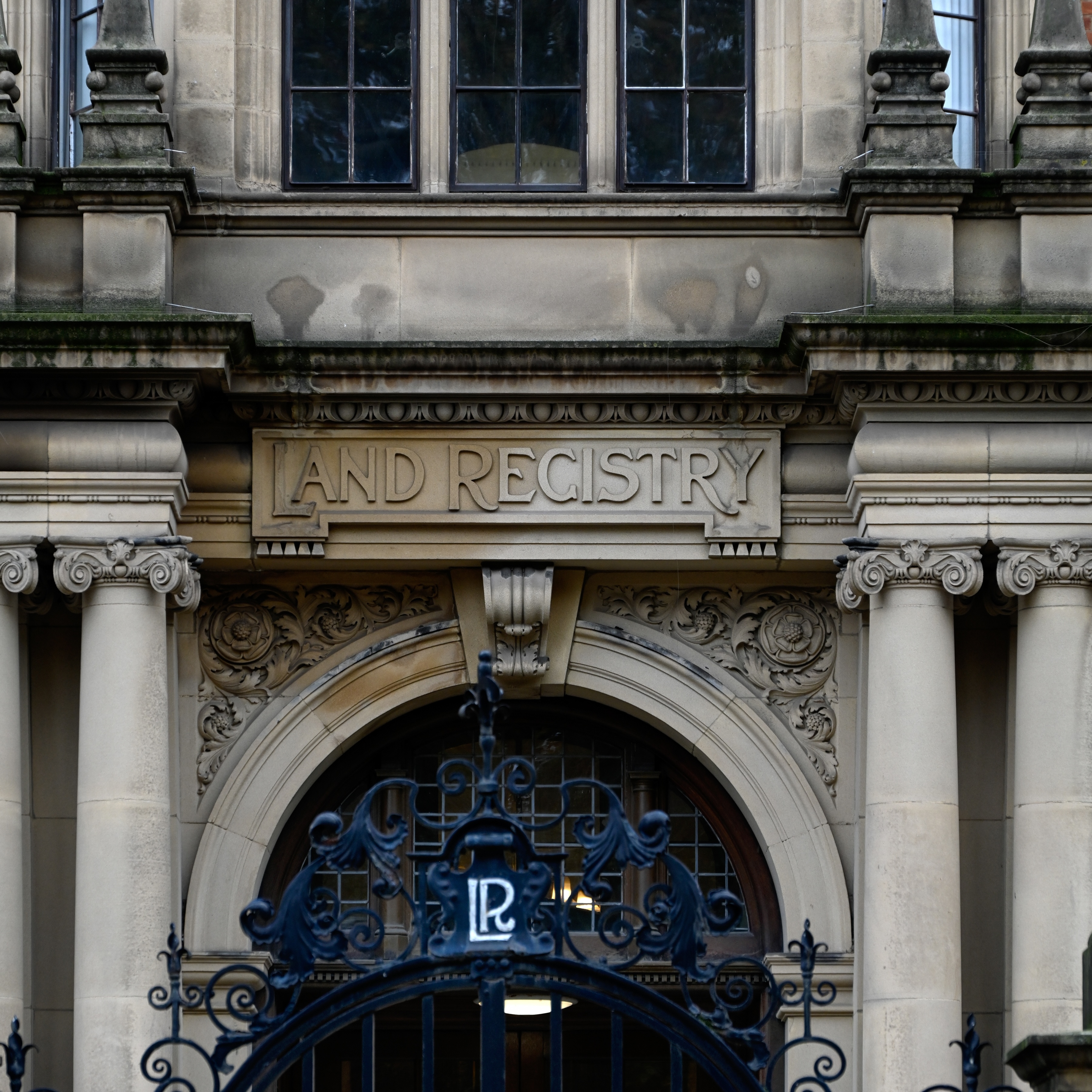
Land Registry data records completed transactions, and there can be a considerable delay between a sale being agreed, completing and eventually appearing in the official figures. Each of these homes also has its own characteristics, so an individual sale cannot simply be applied to another property in the same neighbourhood.
Where the figures are useful is in showing what is actually transacting.
Exceptional period houses, strong addresses and properties offering something difficult to replace continue to attract buyers willing to make substantial commitments. For a seller, identifying where their home sits within that picture is important.
A property's value may lie in its architecture, its position on a particular street, the quality of its refurbishment, its outside space or simply how rarely something comparable becomes available. Bringing those qualities to the forefront, while pricing against genuine evidence rather than aspiration, can make a considerable difference.
The enduring value of the right address
Prime Central London has been through numerous changes in taxation, politics and buyer sentiment, yet its most established neighbourhoods continue to record significant transactions.
The latest Land Registry figures offer another example. Chelsea, Kensington and Mayfair are very different markets, but each continues to attract buyers at eight-figure price levels when the right home becomes available.
That does not mean every prime property will sell quickly or achieve a premium. Buyers remain selective, and individual property quality matters enormously. What it does show is that demand for London's rarest homes has not disappeared.
For buyers, the challenge is often finding the property that justifies making a move. For sellers fortunate enough to own something genuinely special, understanding precisely what makes it special remains one of the most important parts of taking it to market.