
October 22, 2026
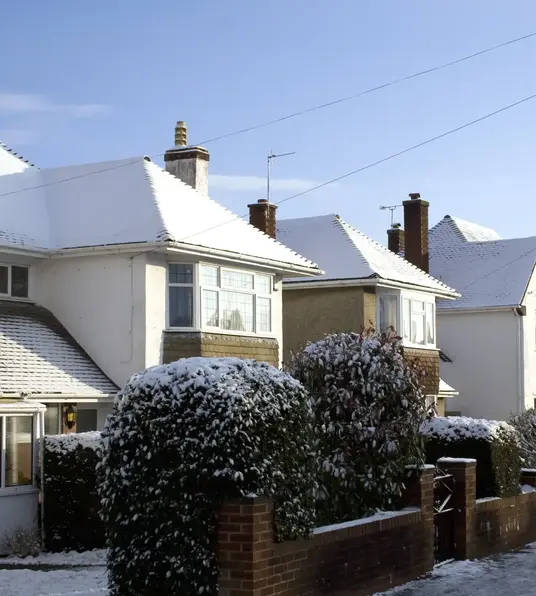
Preparing your rental property for winter
Spend time on a few key measures to weather-proof the building against heavy rain and freezing temperatures – and reduce the need for costly repairs later on.
- Landlords
- Renting
View Article

July 15, 2026
By starting early, you can spread your costs and comfortably meet compliance deadlines. Here, we look at what you need to do and by when.
In January, the government announced its next plans to cut energy bills and, more generally, to help people live in healthy homes in both the summer heat and the winter cold. It is publicly investing in upgrading properties with better insulation and clean power features, such as heat pumps and solar panels. By moving away from fossil fuels, we don’t just protect the environment – we achieve lower, more stable energy costs.
This plan aims to help all families, including those in the private rented market, where tenants often have little ability to improve the energy efficiency of where they live. Especially if they struggle to afford high energy bills, they can face difficult living conditions. For example, Citizens Advice research in 2023 found that more than 1.6 million children in private rented accommodation risked their health in cold, damp homes.
The government is therefore setting new energy-efficiency goals to lift hundreds of thousands of families out of fuel poverty by 2030. Part of this involves redesigning the EPC system.
Currently, EPCs (energy performance certificates) rate properties from A to J, with A being the most energy efficient. While this model has been used since 2007, it has significant shortcomings because it scores properties on the cost of energy rather than on actual carbon emissions. A house with an eco-friendly heat pump can get a worse EPC rating than somewhere with an outdated gas boiler, for example.
Expected to launch during the second half of 2027, the new approach supports net zero targets by penalising the use of fossil fuels. It also makes the ratings more transparent by looking at four different areas, along with secondary indicators for energy use and carbon emissions:
What’s more, a new calculation engine called the Home Energy Model (HEM) will be used to assess both new builds and existing homes. The HEM runs on a half-hourly basis – instead of the monthly averages currently used – and is more granular in its approach. For example, it factors in variable electricity prices and grid signals.
In terms of the assessment process itself, this will continue in much the same way – accredited assessors visit properties to study energy efficiency, except they will use the new approach.
Your property must reach at least the equivalent of EPC C by the 1st of October 2030, unless you have an exemption. A property that’s rated C or above before the 1st of October 2029 (using either the old or new system) will stay compliant until that certificate expires.
There’s a £10,000 landlord spending cap, and any money you’ve spent on energy efficiency since the 1st of October 2025 counts towards this cap. If your property can’t reach EPC C within this £10,000 limit, you can register for an exemption.
Experts recommend you first improve the fabrics – like wall and loft insulation – and then move on to heating upgrades or smart readiness measures. Here’s more government info on improving the EPC of private rented homes.
With penalties of up to £30,000 for non-compliance, it’s important to find out whether your properties meet the new standards and, if they don’t, to start early with any improvements so you can spread the costs and obtain available grants in time. After expert guidance? Speak to your local Winkworth lettings team about meeting the government’s evolving compliance requirements and future-proofing your business.
Property Valuation
Book your free market appraisal today
Other news that might interest you
October 22, 2026
Spend time on a few key measures to weather-proof the building against heavy rain and freezing temperatures – and reduce the need for costly repairs later on.

October 22, 2026
Are you looking for a new home? Here are six of our most enticing rental properties across London, the country and the coast.

October 13, 2026
For many landlords, the annual tax return has long been a once-a-year exercise: gather the statements, pass them to an accountant and think no more about it until the following January.

October 13, 2026
For much of the past decade, one of the most common conversations among landlords has not been about rents or tenants, but about structure.

October 13, 2026
Prime London's lettings market has taken on a slightly unusual shape this autumn.

October 13, 2026
Every private landlord in England will soon need to be on an official register.

October 06, 2026
Private landlords can no longer ask tenants for, or accept, more than one month’s rent in advance, meaning there’s more pressure on guarantors.

September 23, 2026
Do your tenants ever complain of mould and damp? If so, how long does it take you to tackle the problem?

September 23, 2026
As part of its mission to improve all homes, the government plans to introduce a Decent Homes Standard (DHS) to the private rented sector in 2035.