While everyone loves a garden flourishing with blooms, we don’t all want to spend every weekend crouched in the soil. Here’s how to create an outdoor oasis that needs minimal work.
1. Supersize your plant pots
The larger the pot, the less you need to water the insides. This is not only good news for your everyday gardening but also for your holiday plans, as you won’t worry about dry spells of weather while you’re away. Group plants together in big pots or, if you lack outdoor space, in raised planters.
While your trip to the garden centre will call for a greater splurge, these big pots will help you nurture plants that last longer and, fingers crossed, save you money in the long run.
2. Go for plants that suit the conditions
Yes, we might fall for crimson roses or exotic passion vines, but will they soon shrivel up on us? Following the adage ‘the right plant for the right place’, pay attention to your garden’s particular conditions and seek out suitable leafy residents.
For example:
- For direct sunlight: lavender, echinacea and geraniums
- For shady spots: perennials like bleeding heart and wood ferns
- For windy gardens: pampas grass, sea holly and russian sage
Know your own strengths and weaknesses as a gardener, too. If you’re likely to forget to water them for weeks, choose a drought-resistant plant like lavender. Or if you won’t notice when they need repotting, consider the likes of hardy geraniums and sedum.
3. Save yourself the trimming
Don’t fancy wielding a pair of gardening shears? Well-behaved evergreen shrubs like hebes and buxus can bring year-round structure to your garden, and compact forms won’t need much trimming.
You might also look for hardy perennials – which come back year after year – like hellebores, alliums, daffodils and goldsturm. On the whole, these require less maintenance than annuals once they get going, though you might need to divide some every few years to keep them healthy.

4. Forgo the challenges of lawns
Of course, it depends on what you’d like to do in your garden, but here’s one idea: ditch the lawn for a low-maintenance option. Small gardens do particularly well with some big borders, decking and gravel – or a combination of all three – and you can forget the shed space for the lawn mower. Just make sure to research the best surface for drainage and practicalities like whether materials could be slippery when wet.
If you do want a lawn, you might add a permanent edge – for example, a run of bricks or paving stones. This way, you won’t need to trim the sides to keep your lawn looking neat.
5. Embrace a little wildness
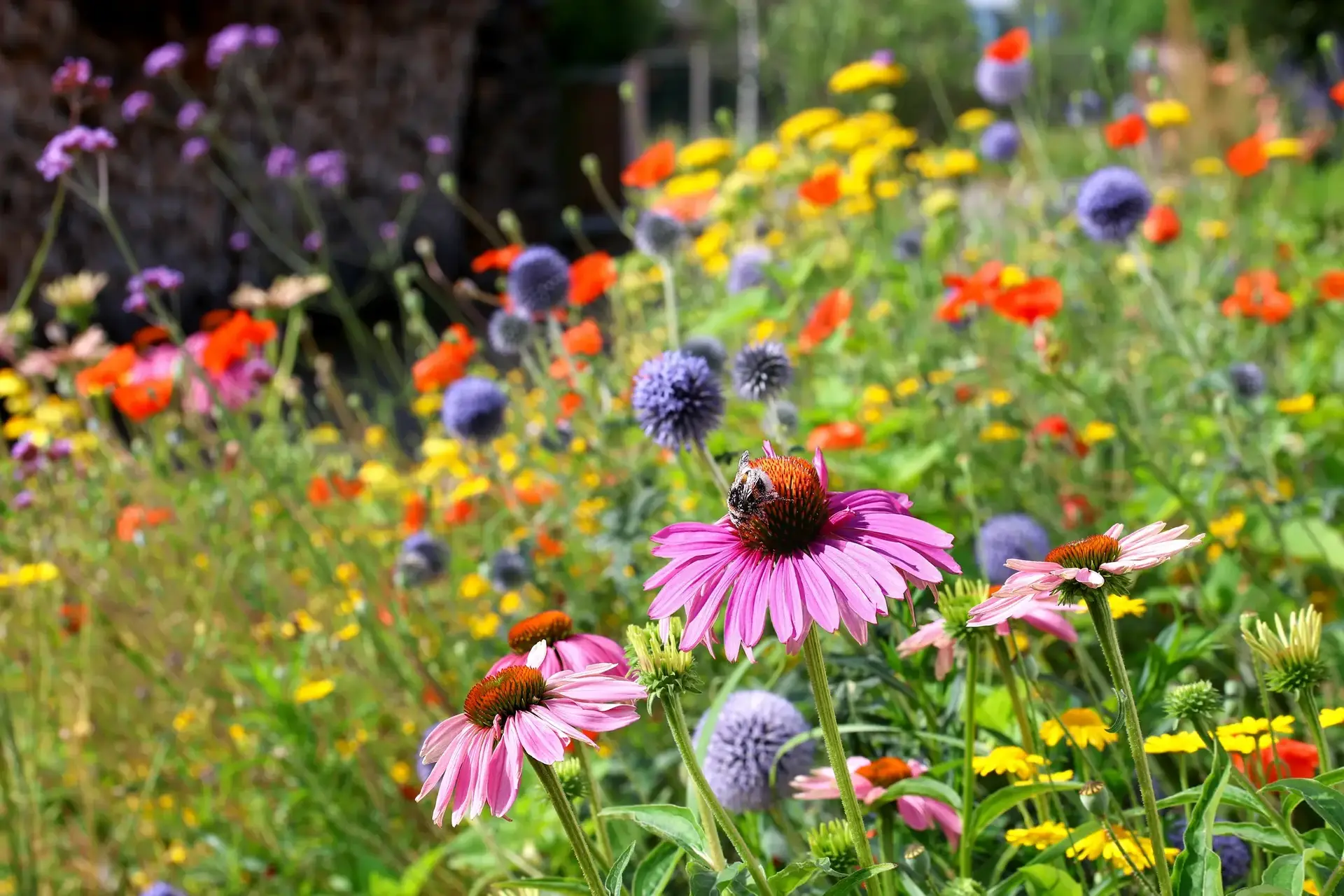
What if you could save yourself the gardening and help wildlife thrive? There are easy things to do. For example, if you do have a lawn, allow at least a patch to grow longer to provide shelter for creatures like shrews and wood mice, and food for butterfly caterpillars. Likewise, leave piles of leaves and twigs on the ground for a home for insects. If you have poor soil, rather than try to add nourishment, scatter wildflower seeds that will grow a feast for insects.
Another thing wildlife will love you for is adding water to your garden. This doesn’t have to involve digging a pond – a large pot or container can collect rainwater and help dragonflies, birds and other creatures.
Final thoughts
Having a garden needn’t mean life in a pair of wellies. With a little research and planning, you can soon be hanging out in your budding greenery, not with a trowel in hand but a cup of coffee. For more ideas, here’s a post on making the most of your garden this Spring.