The buying chain
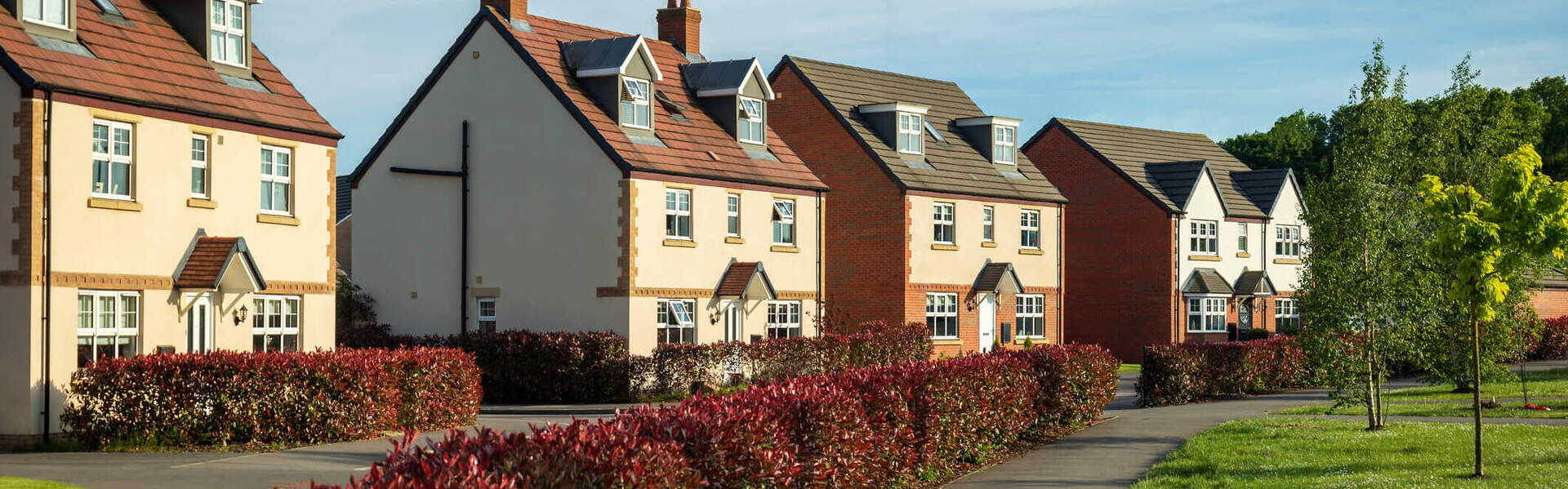
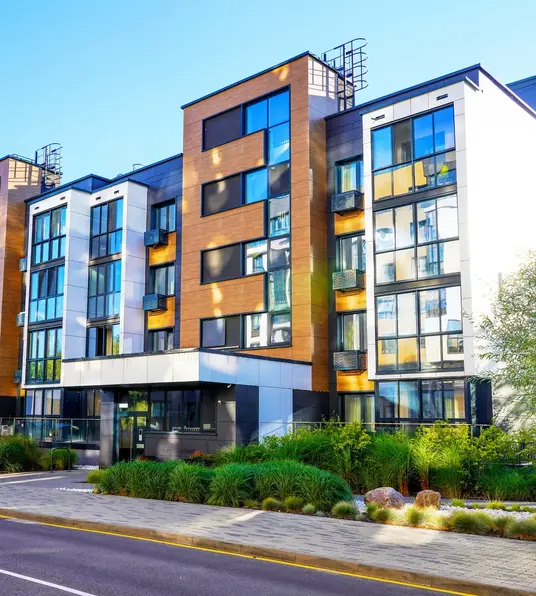
First of all, new-builds have a major plus point - they are almost always chain-free because you buy from a developer. There’s no fretting over problems up the chain.
Existing homes can be chain-free if the seller isn’t buying another property. But this scenario is less likely. And although the government plans to reform the home-buying process, right now, fall-throughs can affect one in three sales – and cause much stress.
Having said this, buying a new home off-plan comes with its own risks and potential delays. You don’t necessarily know exactly what you’re buying or when you’ll be able to move in.
Cost and maintenance
Newly constructed properties are often more expensive than existing ones, typically setting you back an extra 10-20% per square foot compared to similar homes in the area. This can mean a substantial bump in what you’re spending. Also, new-builds can see a drop in value once sold, as they lose their status as shiny and new.
On the other hand, your ongoing maintenance costs can be lower, especially if you’re comparing a new-build to a historical property. (In 2024, Zoopla found that period homeowners spent an average of £19,000 a year on repairs and maintenance.) In theory, a new-build shouldn’t call for as many fixes, although study the finer details to check the quality.
Then there are warranties. While it’s not a legal requirement for developers to provide a warranty, all mortgage lenders require one, so they’re very much the norm for new-builds. Typically, they last for 10 years and cover you for problems caused by faults in the materials, design or workmanship.
Simply put, when looking at value for money, existing homes can appear to trump new-builds, but you need to consider what you’ll spend on ongoing maintenance over the years.
Energy efficiency
There’s little doubt over this one – new-builds will save you money on your energy bills, thanks to better materials and features like triple glazing and airtight construction. New-builds must comply with strict Building Regulations and reach an EPC rating of A or B (note: the EPC regime is changing soon). Just think: that’s less spent on heating and cooling, plus lower carbon emissions.
This isn’t to say older properties can’t be highly efficient. There might be a gorgeous eco home with your name on it – but take a close look at its environmental credentials and likely energy bills.
Period character and style
Everyone’s tastes are different, of course. One person’s dream home is a glitzy, glass-panelled affair while another’s involves a thatched roof and mature apple trees in the garden.
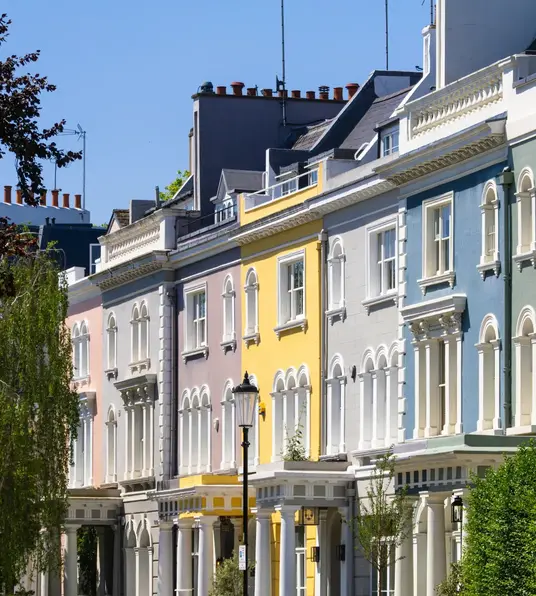
But if you adore a rich history and period details, you won’t find them in a freshly built house.
Location
Let’s not forget the actual address. New-builds are often in housing developments built on brownfield sites or old industrial land. In other words, they may not appeal if your heart is set on a specific street or location, such as a school catchment area.
The developments themselves will vary. Some will already have parks and other amenities ready for you to enjoy. Others, the opposite. If you’re looking at a development in its early stages, find out about the construction plans and consider how you’d cope with the noise and dust, etc.
Final thoughts
Are you weighing up your options? By working with an estate agent with a deep knowledge of the local area, you can equip yourself with the relevant information and insights. Get in touch with your nearest Winkworth office today.