
October 22, 2026
Preparing your rental property for winter
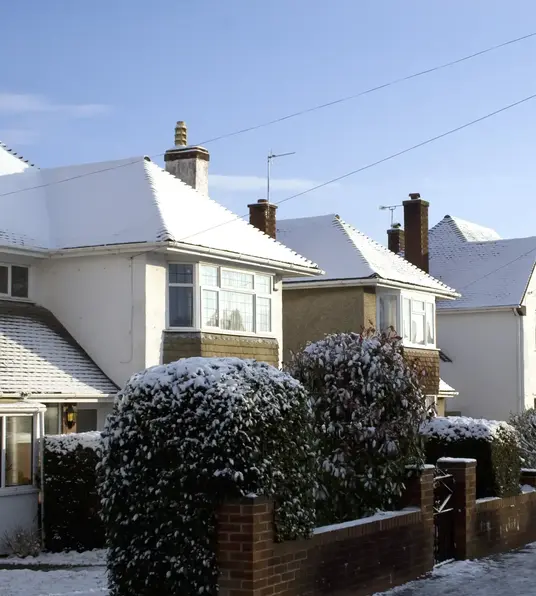
Spend time on a few key measures to weather-proof the building against heavy rain and freezing temperatures – and reduce the need for costly repairs later on.
- Landlords
- Renting
View Article

September 09, 2026
From axing Section 21 ‘no-fault’ evictions to introducing better rights for tenants to request furry friends. Now, the government is gearing up for the next phase, which starts rolling out regionally from the 15th of December 2026, beginning in the West Midlands.
Here, we cover what’s ahead and how landlords can get organised.
While the first phase improved tenants' day-to-day rights, the next focuses on strengthening the structural support across the industry. Although most landlords treat people fairly, unscrupulous ones can take advantage of a lack of strict rules and frameworks. Two new systems share access to key information and offer an independent complaints service.
A centralised database will list all private landlords and information on their properties, helping tenants evaluate a potential new home. Does the flat have a valid Gas Safe certificate? Has the landlord been charged with any relevant offences? The key details will be available online.
Local councils can more easily track property issues and enforce housing standards. Meanwhile, landlords benefit from a single point of reference for industry compliance, including updates on legal requirements.
The new online database is rolling out regionally across England from the 15th of December 2026, starting in the West Midlands and reaching all regions by the following autumn. All private landlords will need to sign up, pay an annual fee of £65 per property (renewed each year) and provide information such as:
Here are all the documents you need to gather.
Worried about the backlog for court cases? An independent Landlord Ombudsman will aim to help landlords and tenants resolve problems fairly and without any court hearings. As part of this service, landlords can access tools and guidance on dealing with tenant complaints.
This PRS Landlord Ombudsman scheme is expected in 2028, and all private landlords with assured or regulated tenancies – including landlords who use letting agents to manage their properties – must join it. (Note: this scheme is separate from the existing legal requirement to join a government-authorised redress scheme that applies to letting agents and property managers.) Landlords will pay a cost while tenants will likely get the service for free.
Here’s more on the mandatory Landlord Ombudsman scheme.
Also on the way: a new forum for rent‑increase challenges
The government has also confirmed that HMRC’s Valuation Office will take over responsibility for initial decisions on rent-increase challenges in England, moving this away from the First-tier Tribunal. For now, tenants must still apply to the Tribunal to challenge a rent increase – the government says this change could take up to two years to roll out.
This third and final phase of the Renters’ Rights Act aims to raise the living standards of private rented homes, whether that’s tackling hazards like serious damp or making houses better suited to hot weather. Although the official dates are yet to be confirmed, it’s worth familiarising yourself with the upcoming changes and requirements. For example, the government will extend Awaab’s Law to the private rented sector, meaning landlords will need to fix health and safety hazards within strict timelines. Read more about changes to Awaab’s Law.
And here’s the official roadmap of changes on gov.uk.
It won’t be long until the government rolls out Phase 2, when landlords must join the PRS Database and the Ombudsman scheme. We recommend making sure you’ve got the relevant documents for your properties and getting to grips with the finer details of the changes. If you’ve got any concerns about your business, find your local Winkworth office and talk to an experienced member of our team.
Property Valuation
Book your free market appraisal today
Other news that might interest you
October 22, 2026
Spend time on a few key measures to weather-proof the building against heavy rain and freezing temperatures – and reduce the need for costly repairs later on.

October 22, 2026
Are you looking for a new home? Here are six of our most enticing rental properties across London, the country and the coast.

October 13, 2026
For many landlords, the annual tax return has long been a once-a-year exercise: gather the statements, pass them to an accountant and think no more about it until the following January.

October 13, 2026
For much of the past decade, one of the most common conversations among landlords has not been about rents or tenants, but about structure.

October 13, 2026
Prime London's lettings market has taken on a slightly unusual shape this autumn.

October 13, 2026
Every private landlord in England will soon need to be on an official register.

October 06, 2026
Private landlords can no longer ask tenants for, or accept, more than one month’s rent in advance, meaning there’s more pressure on guarantors.

September 23, 2026
As part of its mission to improve all homes, the government plans to introduce a Decent Homes Standard (DHS) to the private rented sector in 2035.
September 23, 2026
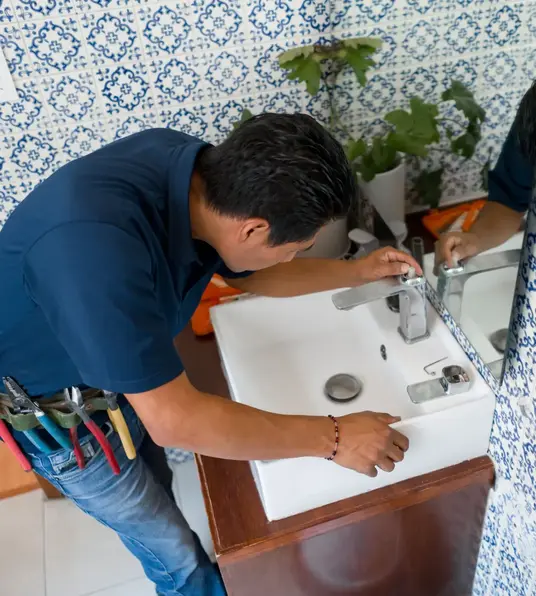
Do your tenants ever complain of mould and damp? If so, how long does it take you to tackle the problem?