
October 22, 2026
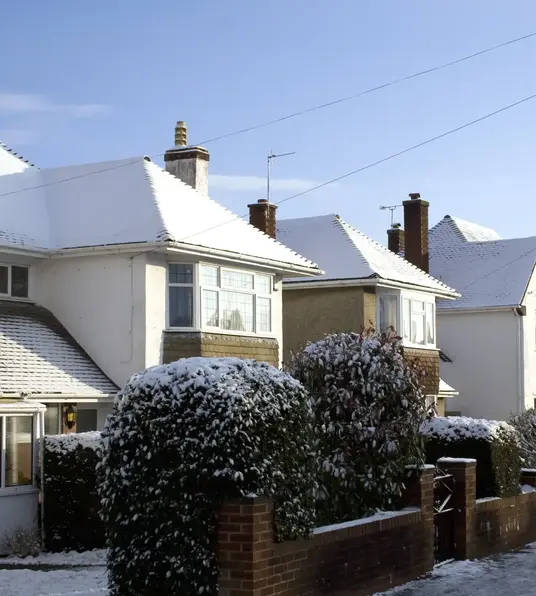
Preparing your rental property for winter
Spend time on a few key measures to weather-proof the building against heavy rain and freezing temperatures – and reduce the need for costly repairs later on.
- Landlords
- Renting
View Article
July 01, 2026
The Housing Health and Safety Rating System (HHSRS) is a tool used to identify and assess the risks to the health and wellbeing of the people who live in a property. It’s based on the belief that all homes should be safe and healthy, including rented and social housing. The person carrying out the inspection uses the HHSRS to study hazards and apply a points-based system to assess their severity and decide on any necessary action.
Let’s say a tenant complains to their local council about damp in the property. The council can send an environmental health or housing standards officer to assess the mould using the HHSRS. If the officer finds the mould to be severe, the council can legally require the landlord to fix the problem within a specific timeframe.
As many landlords felt the system was overly complicated, the UK government has simplified the criteria and also strengthened local authorities’ powers to enforce the rules.
Here are the key changes:
The updated system applies to inspections carried out on or after the 22nd of June. Inspections that began before this date must be assessed under the old system.
Under the Renters’ Rights Act 2025, the local authority no longer needs to give 24 hours’ notice before they inspect a property. This means landlords must make sure their homes always meet decent standards.
In practical terms, it’s a good idea to regularly carry out property inspections and address any hazards as soon as possible. What’s more, you need to keep detailed inspection and maintenance records – not necessarily using a specific HHSRS form but generally demonstrating that you’ve taken good care. For example:
Keeping these records will help you to prove you’ve actively tackled hazards and followed the rules, should you be challenged. If local authorities find you haven’t met standards, they can apply civil penalties of up to £40,000.
Although you don’t need to apply the HHSRS yourself, by familiarising yourself with the updated system, you can more easily spot and assess potential hazards in your rental properties. To talk through the HHSRS and other regulatory changes, book a compliance review with your local Winkworth lettings team.
Property Valuation
Book your free market appraisal today
Other news that might interest you
October 22, 2026
Spend time on a few key measures to weather-proof the building against heavy rain and freezing temperatures – and reduce the need for costly repairs later on.

October 22, 2026
Are you looking for a new home? Here are six of our most enticing rental properties across London, the country and the coast.

October 13, 2026
For many landlords, the annual tax return has long been a once-a-year exercise: gather the statements, pass them to an accountant and think no more about it until the following January.
October 13, 2026
For much of the past decade, one of the most common conversations among landlords has not been about rents or tenants, but about structure.

October 13, 2026
Prime London's lettings market has taken on a slightly unusual shape this autumn.

October 13, 2026
Every private landlord in England will soon need to be on an official register.

October 06, 2026
Private landlords can no longer ask tenants for, or accept, more than one month’s rent in advance, meaning there’s more pressure on guarantors.
September 23, 2026
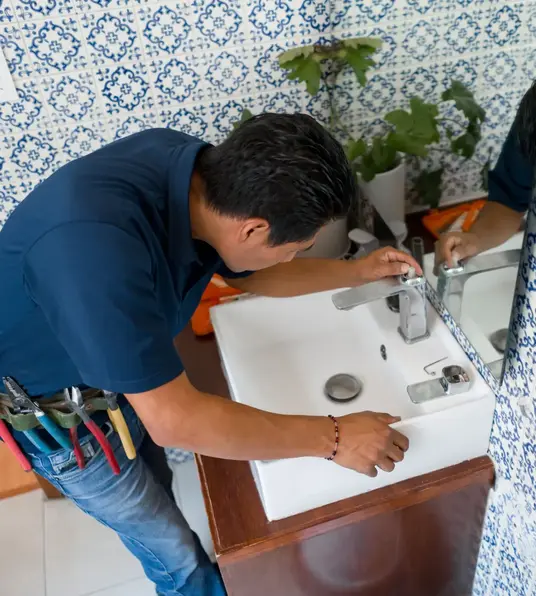
Do your tenants ever complain of mould and damp? If so, how long does it take you to tackle the problem?
September 23, 2026
As part of its mission to improve all homes, the government plans to introduce a Decent Homes Standard (DHS) to the private rented sector in 2035.