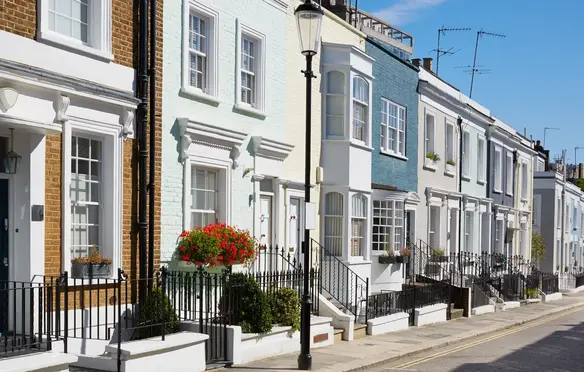

As part of its mission to improve all homes, the government plans to introduce a Decent Homes Standard (DHS) to the private rented sector in 2035.
This will ask landlords to make sure their properties meet set standards, from reliable heating to a good, working kitchen.
It’s easy to think 2035 is a long way off – especially if you’re waist-deep in other aspects of the Renters’ Rights Act – but the sooner you get your head around the legal requirements, the more confidently you can prepare your business. Here’s a Q&A on the key info.
What is the Decent Homes Standard?
Currently, the DHS sets the minimum standards that social homes must meet, protecting families from hazards such as mouldy walls, caved-in ceilings, and faulty heating systems. Here’s more info on the DHS for social housing on gov.uk.
For the first time, the government is going to introduce a DHS to the private sector, affecting all homes let on assured tenancies. The new standard will also cover privately rented supported housing occupied under tenancies and licences.
How will this impact private landlords?
Many landlords keep their properties in good condition and tend to problems swiftly, so hopefully no major overhauls will be needed. However, everyone must know the specific legal standards and rules so they can be confident they’re fully compliant.
More generally, the introduction of a DHS is part of a wider shift in how landlords are expected to run their businesses. There’s greater focus on record-keeping and establishing industry-wide systems to empower tenants to challenge substandard accommodation.
Landlords themselves can also benefit from the DHS. We know that demand for well-maintained rental properties is strong – for example, the Zoopla September market report tells us there are now 5.3 enquiries per rental home, the highest level for almost 2 years – and tending to problems early helps you avoid more expensive work down the line.
What practical steps can landlords take to prepare?
It’s best to proactively identify any potential issues and maintain high standards. For example:
- Fix health hazards like mould and damp (here are details on how Awaab’s Law will require landlords to fix such problems within strict timeframes)
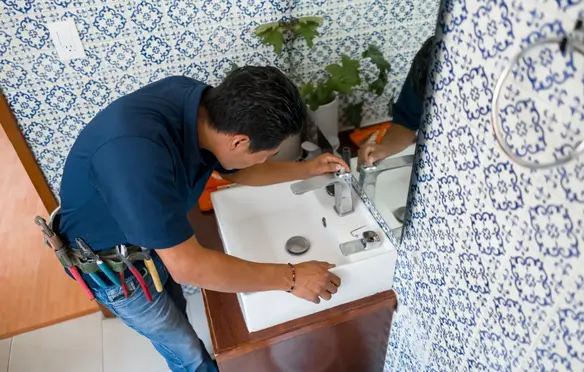
- Keep kitchens and bathrooms up to scratch – this doesn’t mean brand new facilities, but everything must be modern and functional
- Check on heating systems and insulation to both ensure tenants are comfortable and to meet the government’s energy efficiency goals
- Especially if a building is old, regularly review rooms for dangers like faulty electrics, trip hazards and structural flaws
- Listen to any tenants' concerns about the standard of your properties, keep your own inspection records, and build in property maintenance as part of your ongoing business practice
What happens if landlords don’t comply?
Landlords will have a legal duty to make sure their properties meet the DHS requirements. If they fail to do so, local councils can respond by:
- Issuing an improvement notice that requires the landlord to solve the problem by a certain deadline
- Issuing civil penalties of up to £7,000 or pursuing criminal prosecution
- Applying to the First-tier Tribunal for a rent repayment order
Final thoughts
With lots of changes in the private rented sector, it’s understandable if you’re feeling a little overwhelmed. We’ll be publishing more info and guidance on the Winkworth blog. And if you have specific questions or would like to team up with an experienced agent, find your local Winkworth branch and call us for a chat.
In a changing market, find out how much you could let your property for?
Book your free rental market appraisal today and find out how
Winkworth can help with your rental property.