
October 22, 2026
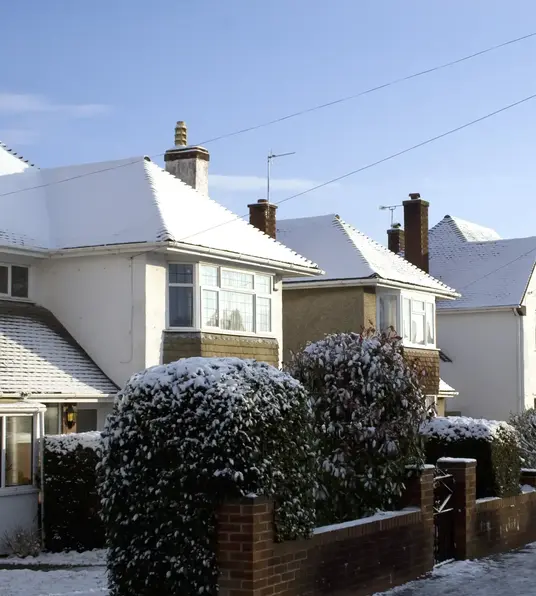
Preparing your rental property for winter
Spend time on a few key measures to weather-proof the building against heavy rain and freezing temperatures – and reduce the need for costly repairs later on.
- Landlords
- Renting
View Article

August 11, 2026
Here, we look at three taxes that landlords must pay: Stamp Duty Land Tax (SDLT), Capital Gains Tax (CGT) and, soon, a higher rate of Income Tax on property income.
You pay SDLT when you buy a property in England. For 2026, the standard rates are:
As for buying a second home or a buy-to-let property, you pay an extra 5% surcharge on top of each band. Here’s government info on residential property rates.
You pay Capital Gains Tax on the profit you make if you sell a rental property for more than you paid for it, provided the property is owned in your personal name rather than through a limited company.
Here are the tax rates, allowances and rules for 2026:
You need to report and pay any Capital Gains Tax to HMRC within 60 days of completing the property sale.
Note: If you hold properties through a limited company, you must pay Corporation Tax on the gain instead of Capital Gains Tax. You might want to talk to an accountant about the right approach for you. Some people pay a lower rate for Corporation Tax than Income Tax, and mortgage interest is fully deductible as a business expense. On the other hand, there are extra costs – including accountancy fees and company filing obligations – if you transfer existing properties into a company.
Here’s government info on Capital Gains Tax.
It’s official – the way landlord Income Tax works is going to change. Currently, profits from rental income are charged the same tax rate as the rest of your income (20% for the basic rate, 40% for the higher rate, and 45% for the additional rate).
From April 2027, separate Income Tax rates will apply to your rental profits, representing a 2% increase over standard Income Tax bands.
The way people pay tax on their property, savings and dividend income will remain the same – it’s only the rates of tax charged that will change.
You can find more info on this government page.
And don’t forget the new rules for HMRC’s Making Tax Digital initiative. Making Tax Digital for landlords with a gross income (total rent before expenses) of over £50,000 a year started in April 2026, requiring landlords to keep digital records and send quarterly updates to the tax office. Landlords who earn less will need to follow the Making Tax Digital rules over the next couple of years. See more details on the government website.
Property Valuation
Book your free market appraisal today
Other news that might interest you
October 22, 2026
Spend time on a few key measures to weather-proof the building against heavy rain and freezing temperatures – and reduce the need for costly repairs later on.

October 22, 2026
Are you looking for a new home? Here are six of our most enticing rental properties across London, the country and the coast.

October 13, 2026
For many landlords, the annual tax return has long been a once-a-year exercise: gather the statements, pass them to an accountant and think no more about it until the following January.

October 13, 2026
For much of the past decade, one of the most common conversations among landlords has not been about rents or tenants, but about structure.

October 13, 2026
Prime London's lettings market has taken on a slightly unusual shape this autumn.

October 13, 2026
Every private landlord in England will soon need to be on an official register.

October 06, 2026
Private landlords can no longer ask tenants for, or accept, more than one month’s rent in advance, meaning there’s more pressure on guarantors.

September 23, 2026
Do your tenants ever complain of mould and damp? If so, how long does it take you to tackle the problem?

September 23, 2026
As part of its mission to improve all homes, the government plans to introduce a Decent Homes Standard (DHS) to the private rented sector in 2035.